
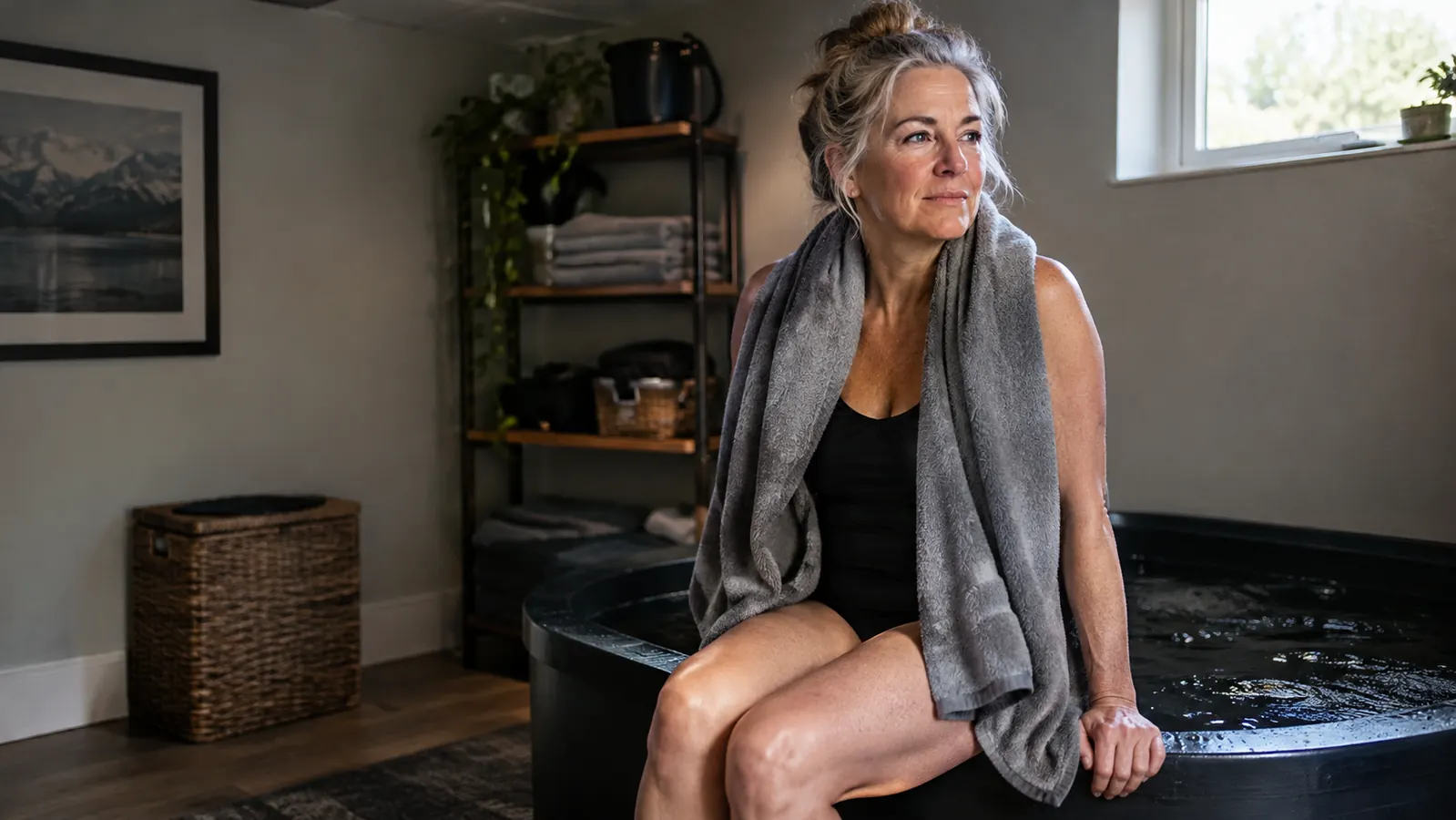
Every winter, somebody at the gym asks me whether a cold plunge tub is worth it or whether they should just save the money and turn the shower to cold. After 25 years as a physical therapy assistant, I am suspicious of anything that promises big results with little effort, so I decided to test both for myself. I set up a Bubplay cold plunge tub in the corner of my finished basement, kept it filled for six weeks, and took cold showers on most of the same mornings. I kept notes the way I used to keep them for patients learning a new exercise, and the differences surprised me.
If you want the strongest, most controlled cold exposure and you have a few square feet of floor to spare, the tub wins. The water stays at a temperature you can measure, it surrounds your whole body, and you can sit in it long enough to settle into the cold. If you just want to find out whether you can tolerate cold water at all, the shower is the smarter first step because you already own it. I will walk you through where each one genuinely wins, because the honest answer is that both have a place.
| Bubplay Cold Plunge Tub | Cold Shower | |
|---|---|---|
| Price | One-time purchase that should last for years | You already own a shower, so it costs nothing extra |
| Setup | Unbox it, place it, fill it with a hose | Turn a dial and step in |
| Water temperature | Holds water in the 40s to 50s, checked with a thermometer | Whatever comes out of the tap, usually warmer |
| Coverage | Chest-deep water surrounds your whole body | Water hits your shoulders and runs right off |
| Time in the cold | You can sit still for 3 to 10 minutes | Most people last 30 to 60 seconds standing up |
| Comfort for sore joints | You sit, so your knees and back carry no weight | You stand the whole time |
| Space | Needs floor space and a place to drain | Takes up no space at all |
| Maintenance | Change the water, wipe it down, keep the cover on | Nothing beyond your normal shower |
| Best for | A dedicated recovery ritual you can build a habit around | A quick test of whether you will stick with cold water |
Where the Bubplay Tub Wins
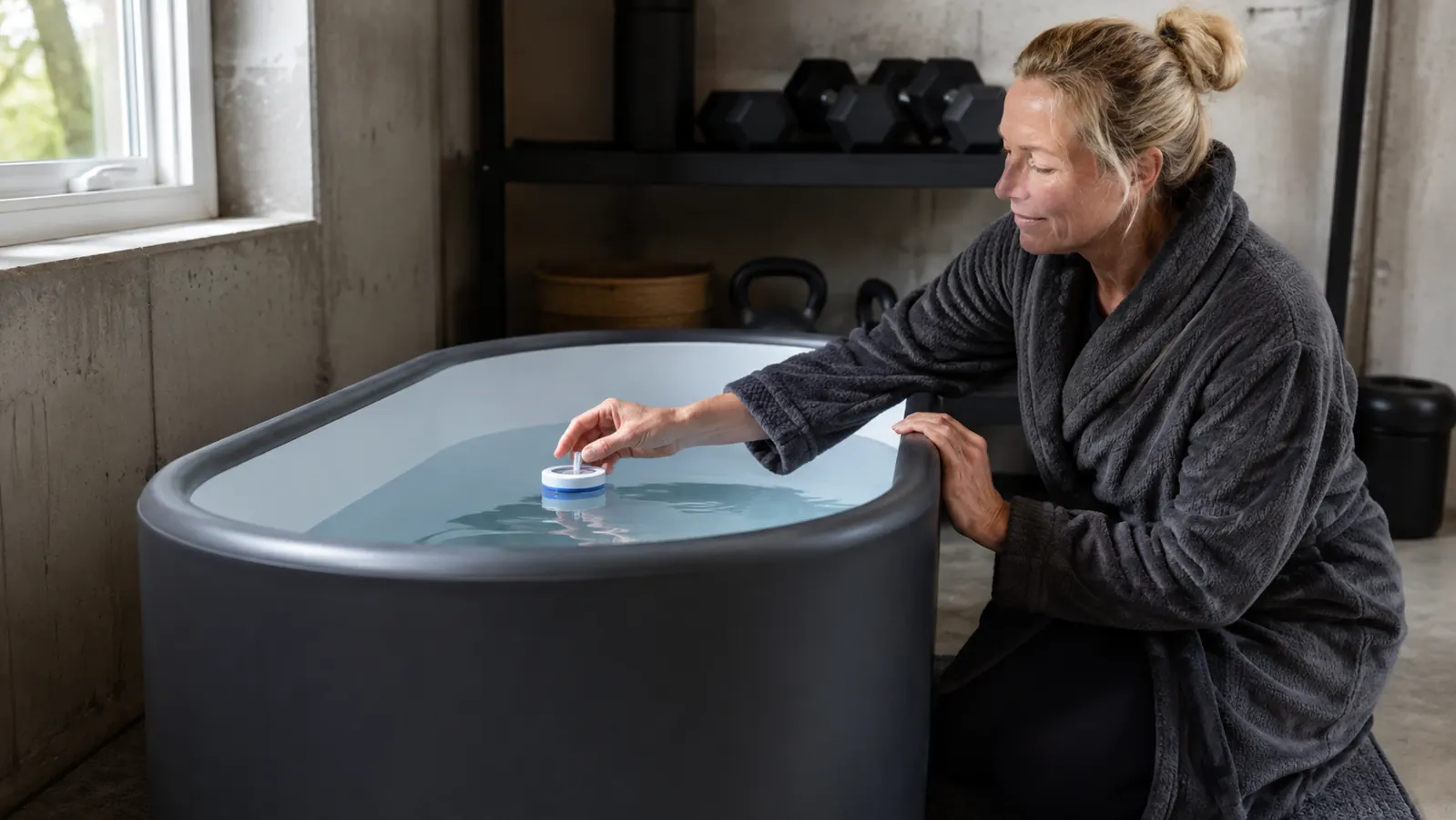
The biggest difference is control. The tub holds water at a temperature you can measure, so you know exactly what you are getting into. My tap water in Duluth comes out cold in the winter, but it is still not plunge cold, and a cold shower never stays even because the water runs off your body before it has a chance to do much. Sitting in still water that is actually cold, with your arms in and your shoulders under, is a different experience entirely. The cold surrounds you instead of bouncing off you.
The second difference is comfort, and this is where my physical therapy background kicked in. Standing in a cold shower for several minutes is hard on the feet, the knees, and the lower back, which is exactly where most of my patients, and I, carry our complaints. In the tub you sit, and sitting takes the load off. That matters more than people expect. I could breathe, settle in, and stay for a full five minutes, and the whole time my knees were not doing any work. For anyone with stiff joints, that alone is a reason to consider the tub.
Where the Cold Shower Wins
The cold shower wins on the two things that decide whether a habit survives: cost and space. You already own the shower, it takes up no extra floor, and there is no water to change. If you are not sure you will actually stick with cold exposure, the shower is the zero-risk way to find out. I would much rather see someone take a 60 second cold shower every morning for a month than buy a tub in January and drain it by February.
The shower also wins on convenience because it is always right there. The tub needs filling, covering, and regular water changes, and in a Minnesota winter it needs a plan for freezing. None of that is hard, but every extra step is a place where a habit can die. Some people genuinely prefer the sharp shock of standing under running water too. It is shorter and more intense, and for a lot of people that is exactly what they want first thing in the morning. I am not going to argue with a routine that works.
The tub wins where it counts: control, coverage, and a routine you can settle into.
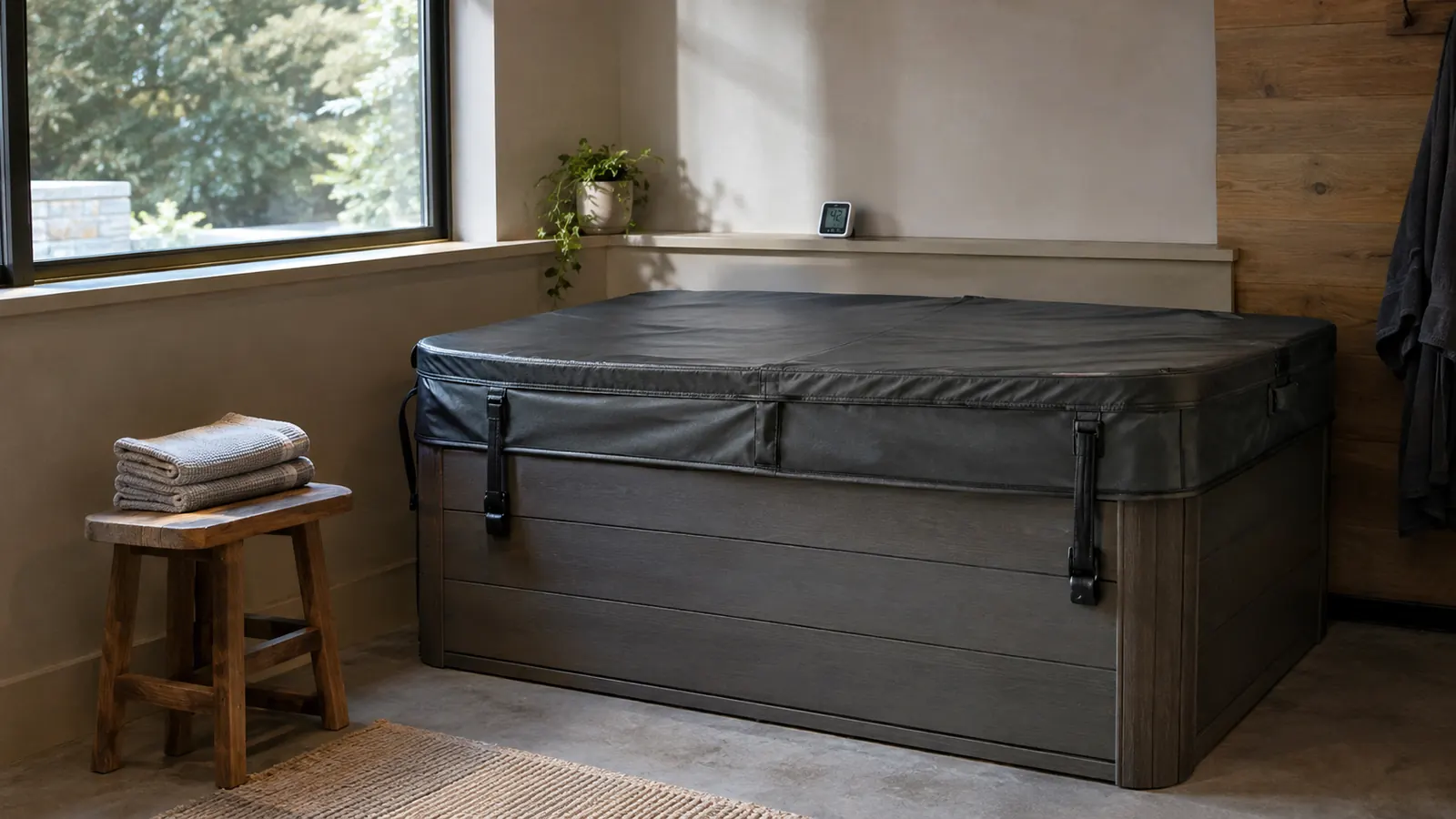
The Bubplay tub gives you chest-deep cold you can measure, a cover that keeps the water clean, and a corner of the basement that turns into a five minute reset. It asks for floor space and a little upkeep, and in return you get a cold routine you can actually build on.
Amazon Check Today's Price on Amazon →How I Tested Both
I kept things simple. For six weeks I filled the Bubplay tub in the basement, kept the cover on between uses, and aimed for a five minute sit most mornings. On the mornings I took a cold shower instead, I timed how long I could stand still under the water. I did not change anything else about my routine, and I did not expect either one to fix my knees. I was testing comfort, practicality, and whether I would actually keep doing it.
The tub took about 20 minutes to fill with a hose and a few days to get used to. The first sit was a shock even though the water was not as cold as I expected. By the second week I stopped dreading it and started looking forward to the quiet. The cold showers never got easy, but they got shorter. That difference in how the two felt is the thing I keep coming back to.
What the First Week Actually Feels Like
The first sit is the hardest, and I want to be honest about that because most people quit in the first week. I filled the tub on a Sunday night, and Monday morning I sat down, hit the water, and was out in about 40 seconds. My husband Tom came down to check on me and said I looked like I had been startled by a splash of ice water. By Thursday I managed two minutes. By the end of the second week I was sitting for five and actually looking forward to the quiet.
The cold showers went the other direction. The first one was bracing and I felt great afterward. By week three they had become something I rushed through, and I noticed I was timing them shorter, not longer. The tub got easier with practice. The shower stayed about the same. That is the pattern I would want anyone to know before they spend money on either one.
What Nobody Tells You About the Tub
The tub is more work than the marketing lets on, and you should know that going in. You fill it, you treat the water, you change it every week or two depending on how often you use it, and you wipe down the inside when you drain it. In Duluth, I also had to think about where it lived so the water did not freeze. None of it is hard, but it is real, and it is the reason I tell people to be honest about whether they will use it.
You also need to be honest about the first minute. The first time you sit in water in the 40s, your body will tell you to get out. That is normal, and it passes. I tell everyone the same thing I told patients learning a hard exercise: start with 30 seconds, add a little each time, and do not judge the routine by the first week. The tub makes that possible because you can sit still and breathe. A shower makes it harder because you are standing and shivering the whole time.
I sat in the tub for a full five minutes. The longest cold shower I managed was about 90 seconds.
Where They Overlap
Both will wake you up faster than any cup of coffee, and both are useless if you do not do them. I want to be plain about that because the wellness world likes to make cold water sound like a cure for everything. I am a retired physical therapy assistant, not a doctor, and I am not going to tell you that a tub or a shower will fix your knees, your sleep, or your mood. What I can tell you is that a regular cold routine became a calm part of my morning that I missed on the days I skipped it.
I also want to say the same thing to you that I said to patients for 25 years: check with your own doctor before you start, especially if you have a heart condition, high blood pressure, or any concern about how your body handles cold. Start slow, keep it short, and let the routine build itself. Cold water is not a test of willpower, and it should never hurt.
The Middle Ground
If you like the idea of a tub but not the space or the upkeep, there are middle options worth knowing about. Some people start with a smaller inflatable tub that packs away when it is empty, and others use a large stock tank if they have outdoor space. I tested the Bubplay because it is the size that fits a basement corner and comes with a cover, but I would never tell anyone it is the only path.
The point of this comparison is not to sell you on cold water. It is to help you pick the version you will actually use. For some people that is a 60 second cold shower every morning. For others it is a five minute sit in a tub. Both are legitimate, and the one that fits your house, your joints, and your habits is the one that will still be happening in March.
Who Should Buy Which
Buy the Bubplay tub if you have the floor space, you want cold exposure you can measure, and you know you will use it. It is the better choice for anyone with sore joints who wants to sit rather than stand, and for people who want a calm ritual rather than a quick shock. The cover keeps the water clean between uses, and the tub is simple enough to maintain if you are willing to spend about 20 minutes a week on it.
Choose the cold shower if you are new to this, if space is tight, or if you are not sure you will stick with it. Start there, build the habit for a month, and if you find yourself wanting longer and deeper cold, that is the moment to think about a tub. The shower is not a compromise version of the same thing. It is a different tool for a different stage, and there is no shame in starting with the one you already own.
The Bottom Line
If someone asked me to sum this up over coffee, I would say this: the cold shower is the best way to find out whether cold water is for you, and the tub is the best way to make it a real part of your life. I kept both in my routine for six weeks, and I would keep the tub. But I would never have bought it before I knew I would use it, and a month of cold showers is how I knew. If you are building a sauna corner in the same basement, the tub is the natural second half of that routine.
The tub is the better long-term home for a cold routine.
If you are ready for chest-deep cold you can settle into, the Bubplay tub is the piece of gear I would pick. Check the current price and see whether it fits your corner of the house.
Amazon Check Today's Price on Amazon →